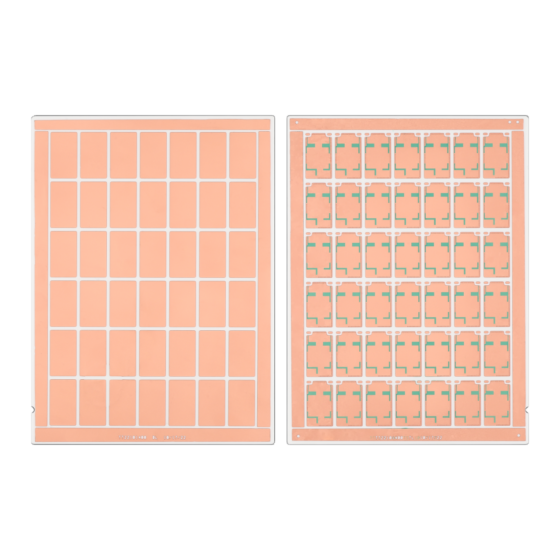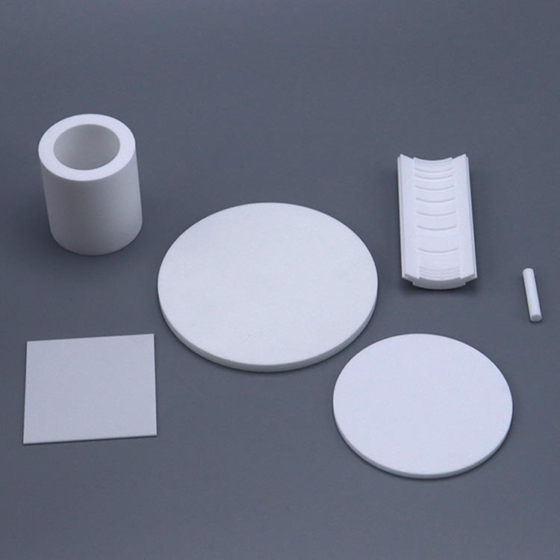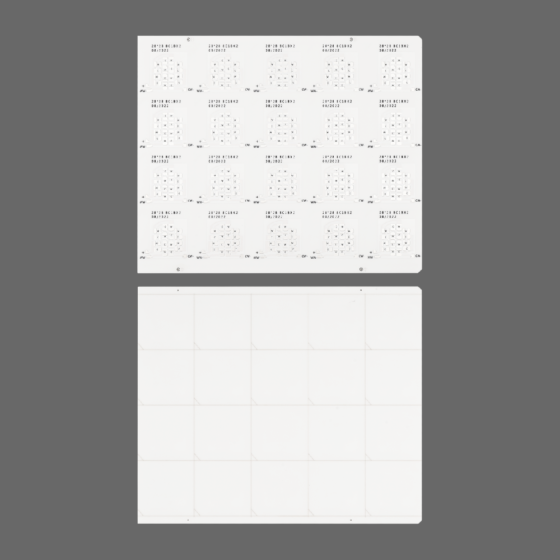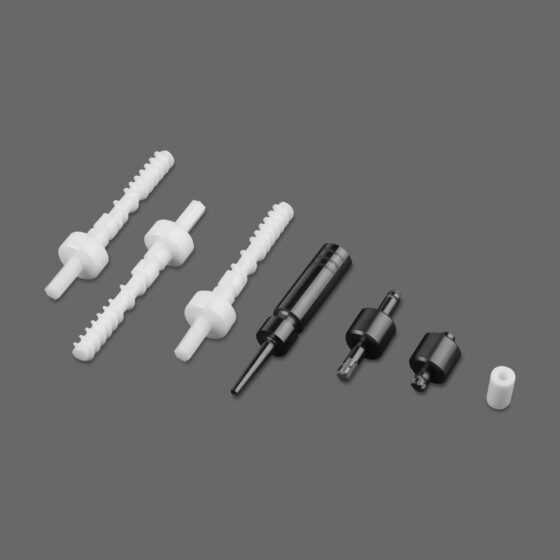
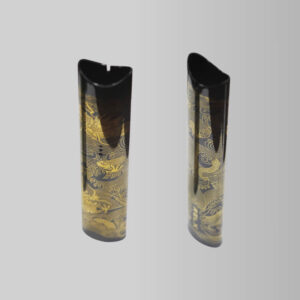


 Advantages/characteristics of ceramic structures
1. High-precision and ultra-high-precision processing technology
2. Various ceramic material systems such as zirconium oxide, aluminum oxide, aluminum nitride, silicon carbide, etc.
3. In-depth development of composite materials based on ceramics, metals, and plastic materials to meet higher demands
4. The industry’s first tape casting to prepare multi-layer composite components
5. In-depth development of ceramic processing technology (intelligent grinding and polishing integration, ultrasonic processing technology)
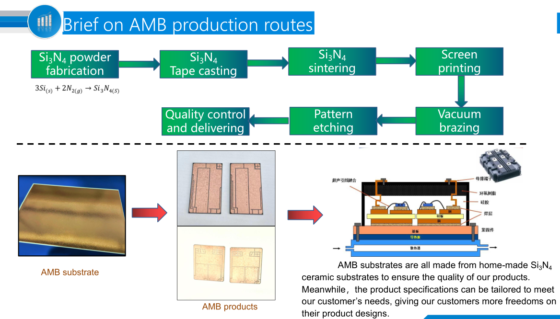
6. End-to-end full process capabilities: powder, dry pressing, tape casting, injection molding, sintering, processing, screen printing, metallization, etc.
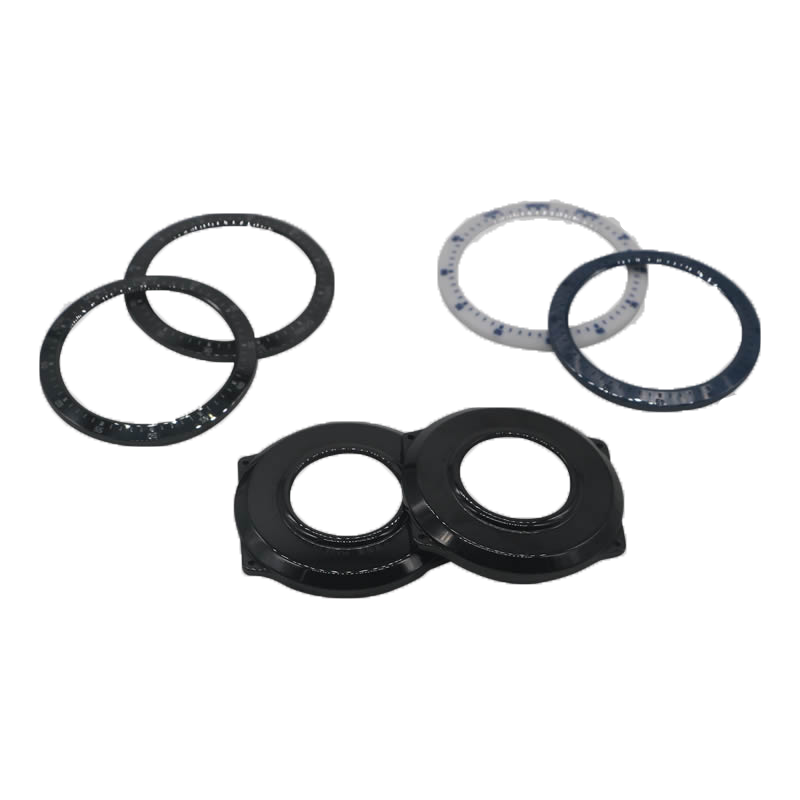
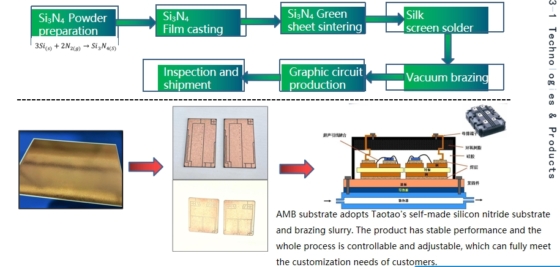 Ceramic appearance parts have excellent strength, hardness, insulation, thermal conductivity, hightemperature resistance, oxidation resistance, corrosion resistance, wear resistance, high temperature strength and other characteristics. In very harsh environments or engineering application conditions, they show high stability and excellent mechanical properties, making them highly regarded in the materials industry and becoming the key to the realization of many emerging science and technologies.
✅Contact us:
website: www.nmmech.com
E-mail: jack@nmmech.com
More industry information:
🌐 1. Advanced Materials / Precision Ceramics
External Link: https://www.azom.com
Description :
Learn more about the latest trends in advanced ceramics and precision materials from AZoM, a global materials science hub that provides insights into material innovations, applications, and manufacturing technologies.
🚀 2. Aerospace Industry
External Link: https://www.nasa.gov
Description:
The aerospace industry relies heavily on high-performance ceramics. Visit NASA to explore how ceramic materials are used in propulsion systems, thermal protection, and structural components in space exploration.
⚙️ 3. Electronics Industry
External Link: https://www.ieee.org
Description:
The electronics and semiconductor sectors depend on materials with high dielectric strength and insulation performance. IEEE is a trusted global organization that drives innovation in electrical and electronic engineering.
💡 4. Semiconductor Industry
External Link: https://www.semiconductors.org
Description:
Discover how advanced ceramics contribute to semiconductor manufacturing — from wafer handling to plasma etching — at the Semiconductor Industry Association (SIA).
🚗 5. Automotive Industry
External Link: https://www.sae.org
Description:
The automotive industry increasingly adopts advanced ceramic components for fuel systems, sensors, and EV batteries. Visit SAE International for standards and innovations driving automotive engineering forward.
🏥 6. Medical & Healthcare
External Link: https://www.fda.gov/medical-devices
Description:
Advanced ceramics play a vital role in medical implants and devices due to their bio-compatibility and wear resistance. The U.S. FDA Medical Devices Center provides regulatory and research information in this field.
⚡ 7. New Energy / Renewable Energy
External Link: https://www.energy.gov
Description:
In the renewable energy sector, ceramics are used for high-temperature fuel cells and power electronics. Visit the U.S. Department of Energy (DOE) for innovations and materials research in sustainable energy technologies.