GIM
 NMMtech | Power Electronics Materials
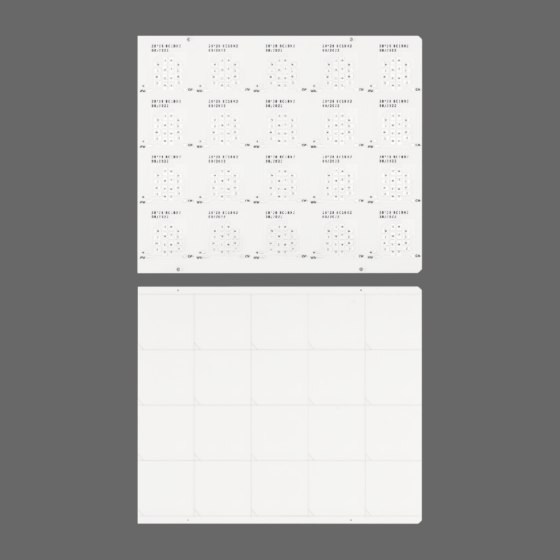
DBC Ceramic Substrate
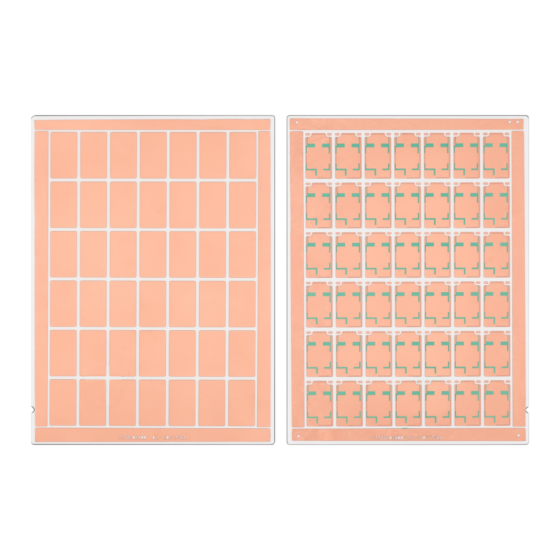
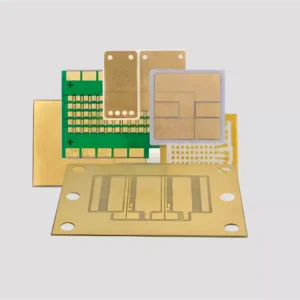
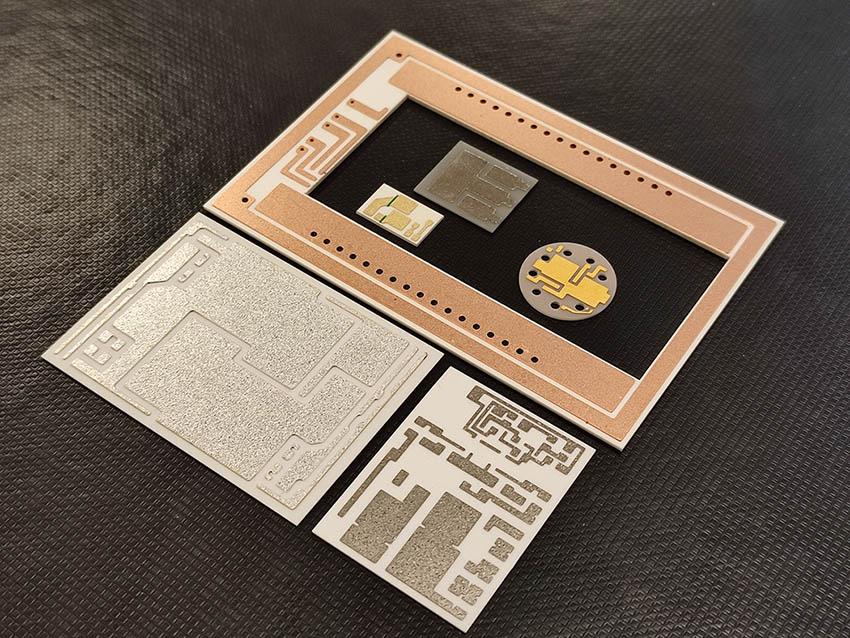
Direct Bonded Copper (DBC) ceramic substrates
combine the thermal and electrical properties of ceramic
materials with the conductivity of copper. They are widely
considered for power electronic assemblies that require
electrical insulation, effective heat transfer, and reliable
operation under demanding thermal conditions.
NMMtech supports customized DBC substrate solutions for
power semiconductor modules, industrial converters, electric
vehicle power electronics, and renewable energy systems.
Material selection, copper thickness, substrate dimensions,
and circuit layout can be evaluated according to project
requirements.
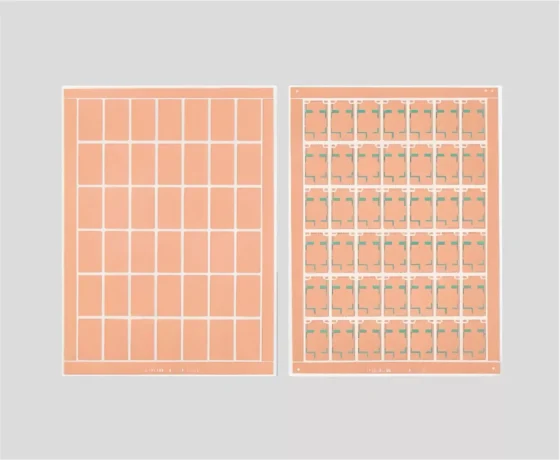
What Is a Direct Bonded Copper Ceramic Substrate?
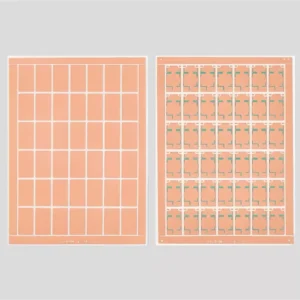
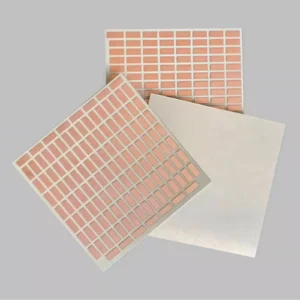
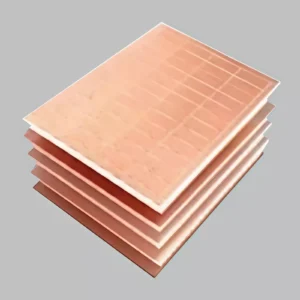
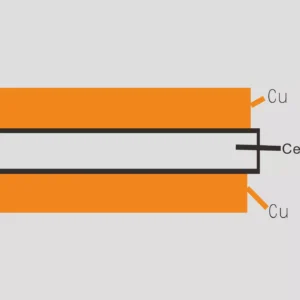
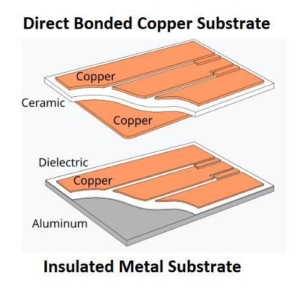
A Direct Bonded Copper ceramic substrate is a multilayer
electronic material in which copper is bonded directly to a
ceramic insulating core through a controlled high-temperature
bonding process. The resulting structure combines conductive
copper circuitry with an electrically insulating ceramic layer.
In power electronics, semiconductor devices generate heat during
operation. The substrate helps transfer heat away from critical
components while electrically isolating conductive circuit
features from the underlying assembly. This combination makes
DBC a useful substrate technology for applications involving
high current, elevated operating temperatures, and repeated
thermal cycling.
Compared with conventional resin-based printed circuit boards,
DBC substrates are designed for different thermal and electrical
demands. The appropriate solution depends on operating voltage,
heat generation, circuit geometry, mechanical loading, and the
complete module structure.
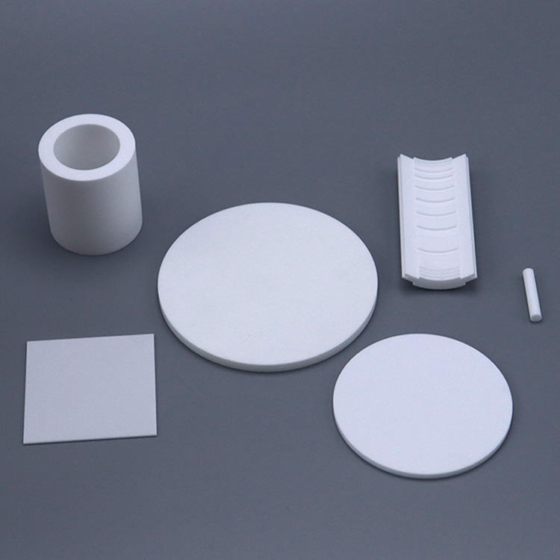
DBC Ceramic Materials: Alumina and Aluminum Nitride
Alumina (Al₂O₃) DBC Substrates
Alumina is a widely used technical ceramic for electronic
insulation. It offers a practical balance of electrical
insulation, mechanical properties, manufacturing
availability, and material cost.
Alumina DBC substrates can be evaluated for industrial
power modules, general-purpose power conversion, and other
applications where the thermal design does not require the
highest available ceramic conductivity.
Aluminum Nitride (AlN) DBC Substrates
Aluminum nitride is selected when higher thermal
conductivity is an important design consideration.
Its thermal expansion characteristics are also relevant
when evaluating compatibility with semiconductor devices
and other module materials.
AlN DBC substrates may be considered for high-power-density
assemblies, advanced power modules, and applications where
thermal management is a major engineering priority.
Actual thermal conductivity, dielectric strength, substrate
thickness, copper thickness, and mechanical performance depend
on material grade, manufacturing conditions, and the applicable
test method. Confirm final values against the relevant NMM
product specification before design approval.
 Key Benefits of DBC Ceramic Substrates
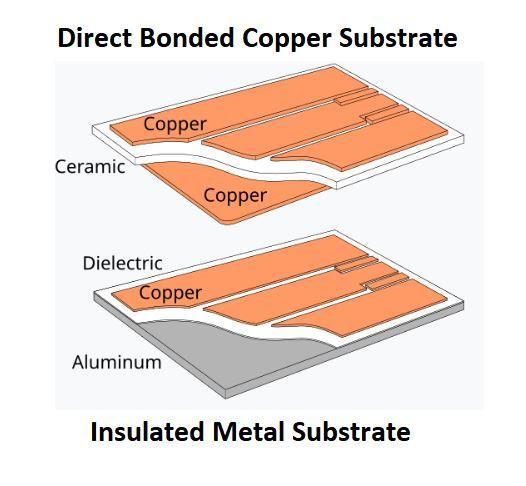
Efficient Heat Transfer
The ceramic layer provides a thermal path from the
semiconductor assembly toward the heat-spreading or
cooling structure. Correct material and interface
selection can help manage device operating temperatures.
Electrical Insulation
The ceramic core electrically separates copper circuit
features while supporting the isolation requirements
of a power electronic design. Final insulation performance
must be validated against application requirements.
Integrated Copper Circuits
Bonded copper layers can be patterned into conductive
circuit layouts for power semiconductor interconnection.
Copper thickness and circuit geometry should be matched
to current, temperature, and assembly constraints.
Thermal Cycling Considerations
The ceramic, copper, solder, and semiconductor materials
all influence module reliability during temperature
changes. DBC selection should consider the complete
stack-up and expected operating cycle.
Design Flexibility
Substrate dimensions, copper thickness, ceramic material,
and circuit patterns can be specified around a project’s
mechanical and electrical requirements, subject to
manufacturing feasibility.
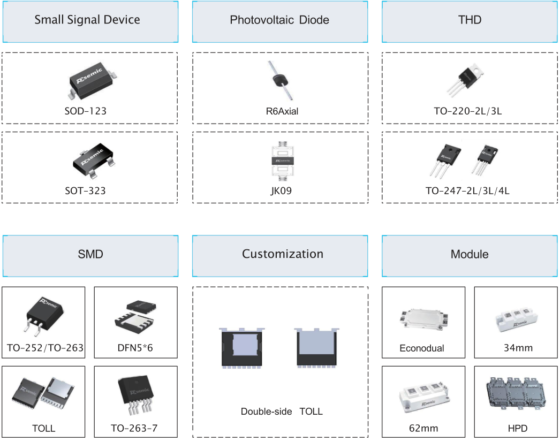
Power Module Integration
DBC substrates are used in many power module architectures
where heat transfer, insulation, and copper circuitry
must be combined within a compact assembly.
 DBC Ceramic Substrate Technical Specifications
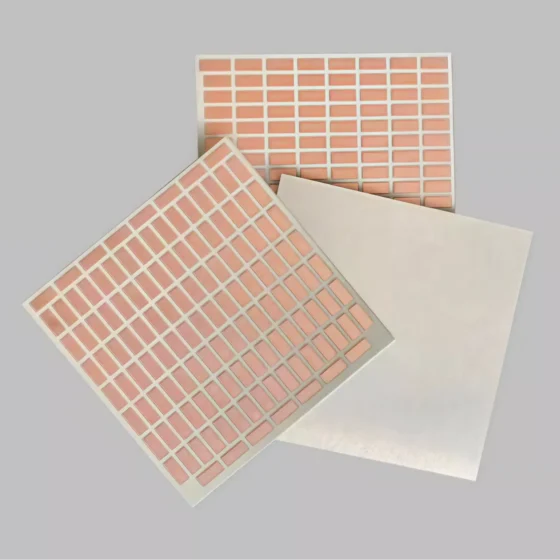
The following table summarizes common specification items
for DBC substrate inquiries. Final values should be confirmed
with NMMtech based on the intended application and design files.
| Parameter | Specification Options |
|---|---|
| Ceramic Material | Alumina (Al₂O₃), Aluminum Nitride (AlN), subject to availability |
| Copper Configuration | Single-sided or double-sided, depending on design |
| Copper Thickness | To be confirmed according to design requirements |
| Ceramic Thickness | To be confirmed according to electrical and mechanical requirements |
| Substrate Dimensions | Custom dimensions subject to manufacturing capability |
| Circuit Pattern | Custom copper pattern based on approved drawings |
| Surface and Edge Requirements | To be agreed according to assembly and inspection requirements |
| Quality Inspection | Inspection scope and acceptance criteria to be agreed before production |
| Customization | OEM/ODM discussion based on drawings, specifications, and volume |
For an accurate quotation, please provide your target dimensions,
ceramic material, copper thickness on each side, circuit
drawing, annual demand, and any required inspection standards.
If a finalized drawing is unavailable, NMMtech can review the
preliminary requirements with your engineering team.
Manufacturing and Quality Considerations
Consistent DBC substrate performance depends on raw material
quality, ceramic preparation, copper bonding conditions,
circuit patterning, dimensional control, and final inspection.
The acceptance criteria should be defined according to the
intended power module and its reliability requirements.
inspection. Replace with verified NMM manufacturing imagery.
Important Quality Control Points
Incoming ceramic and copper material verification.
Bonding quality and visible surface defect inspection.
Copper pattern dimensions and edge quality.
Substrate thickness and dimensional tolerances.
Electrical and thermal-related testing where specified.
Packaging and handling requirements for shipment.
Testing methods, sampling plans, and acceptance limits should
be documented in the product specification or quality agreement.
No single inspection item can independently guarantee the
service life of a completed power module.
Applications of DBC Ceramic Substrates
Electric Vehicles and Automotive Power Electronics
DBC substrates may be used in traction inverters,
onboard chargers, DC/DC converters, and other automotive
power electronic assemblies. Automotive projects should
evaluate thermal cycling, vibration, insulation, and
qualification requirements at the module level.
IGBT and SiC Power Modules
IGBT and silicon carbide (SiC) power modules require
suitable electrical insulation and heat transfer.
Substrate material, copper thickness, and circuit
geometry should be selected according to device losses,
switching conditions, and the thermal design.
Industrial Power Conversion
Applications include motor drives, industrial inverters,
welding equipment, high-power supplies, and power
conversion systems that use semiconductor modules.
Renewable Energy and Energy Storage
Solar inverters, wind power converters, and energy storage
conversion systems may use power modules built around
ceramic substrates. Thermal management and long-term
reliability are important design considerations.
Railway and Transportation Systems
Traction and auxiliary power systems can impose demanding
thermal and electrical conditions. Substrate selection
must follow the applicable equipment specifications and
qualification process.
High-Power Industrial Equipment
Other potential uses include power supplies, automation
equipment, specialized converters, and high-current
electronic assemblies where ceramic insulation and
conductive copper circuits are required.

module designs, depending on the engineering specification.
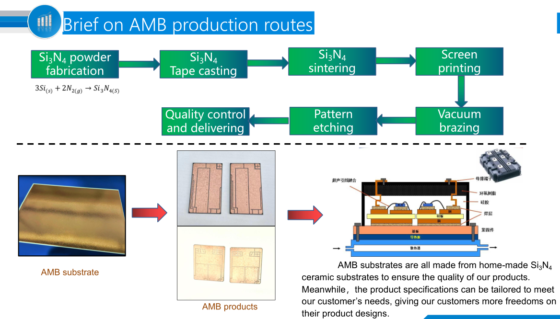
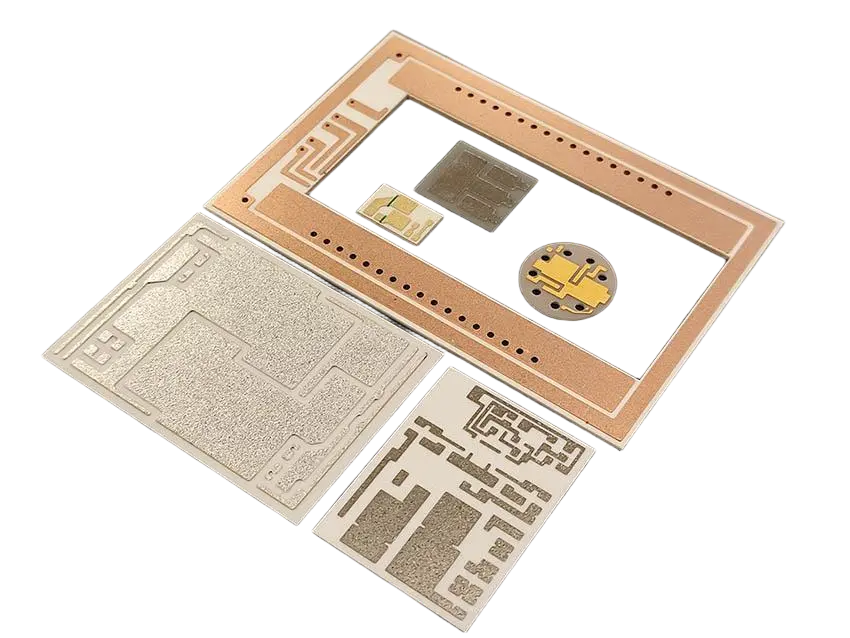
DBC vs. DPC vs. AMB Ceramic Substrates
DBC, DPC, and AMB are different ceramic substrate technologies.
They should not be treated as interchangeable materials:
the preferred solution depends on circuit resolution, copper
thickness, bonding structure, thermal requirements, and
reliability targets.
| Technology | General Process Concept | Typical Selection Considerations |
|---|---|---|
| DBC | Direct copper-to-ceramic bonding | Power circuitry, thermal management, copper circuit integration |
| DPC | Thin-film metallization and plating | Fine circuit features and applications requiring thinner metallization |
| AMB | Active metal brazing | Power module designs with demanding bonding and reliability requirements |
These are general technology distinctions, not a substitute
for a product-level comparison. Actual performance depends
on ceramic grade, metallization design, manufacturing quality,
assembly conditions, and test methods.
Explore related NMMtech solutions:
DPC Ceramic Substrates,
AMB Ceramic Substrates,
and Customized Substrate Solutions.
Replace these internal URLs if your website uses different paths.
How to Request a Customized DBC Substrate
Share your requirements.
Provide the intended application, material preference,
dimensions, copper thickness, and estimated order volume.
Submit drawings or samples.
Gerber files, CAD drawings, dimensional drawings, or
reference samples can help clarify the design.
Review technical feasibility.
Confirm tolerances, circuit geometry, quality criteria,
packaging requirements, and any testing needs.
Confirm quotation and lead time.
Production timing and pricing depend on specifications,
quantity, process requirements, and material availability.
Approve the final specification.
Confirm the approved drawing and quality requirements
before production begins.
Frequently Asked Questions
1. What is a DBC ceramic substrate used for?
DBC ceramic substrates are used in power electronic assemblies
that need conductive copper circuits, electrical insulation,
and heat transfer. Examples include IGBT and SiC power modules,
industrial inverters, and electric vehicle power electronics.
2. What is the difference between alumina and AlN DBC?
Alumina is often selected for its balance of cost and
performance, while aluminum nitride is considered when
higher ceramic thermal conductivity is required. The final
selection should also account for insulation, mechanical
properties, reliability, and total module cost.
3. Can DBC ceramic substrates be customized?
Customization may include substrate dimensions, ceramic
material, copper thickness, circuit pattern, and inspection
requirements. Feasibility must be confirmed against the
specific drawing and production process.
4. What information is needed for a quotation?
Please provide the substrate dimensions, ceramic material,
copper thickness, circuit drawing, quantity, application,
and required inspection criteria. This information helps
establish a more accurate quotation and lead time.
5. Is DBC suitable for SiC power modules?
DBC can be considered for SiC power modules when its material
properties and design meet the module’s thermal, electrical,
and reliability requirements. The complete assembly must
be evaluated rather than selecting a substrate based on
semiconductor type alone.
6. How do I choose between DBC, DPC, and AMB?
Compare the required circuit resolution, copper thickness,
thermal performance, bonding technology, mechanical
reliability, and operating environment. NMMtech can review
your design requirements to help identify suitable options.
Technical Resources and Industry References
The following independent standards organizations,
government resources, and scientific information services
provide background information for electronics design,
materials engineering, and power electronics research.
They are reference resources, not endorsements of NMMtech.
IPC – Electronics Manufacturing Standards and Resources
International Electrotechnical Commission (IEC)
National Institute of Standards and Technology (NIST)
U.S. Department of Energy – Energy Technologies
NASA – Engineering and Technology Resources
Looking for a DBC Ceramic Substrate Manufacturer?
Discuss your technical requirements with NMMtech for a
customized ceramic substrate solution. Send your drawings,
material preferences, copper thickness, and estimated
quantity to support a more efficient technical review.
Custom Specifications | Technical Consultation |
OEM/ODM Project Discussion