GIM
GIM



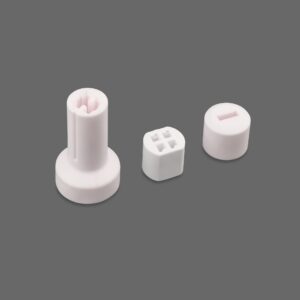
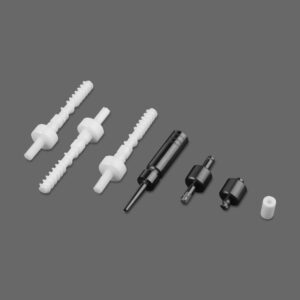
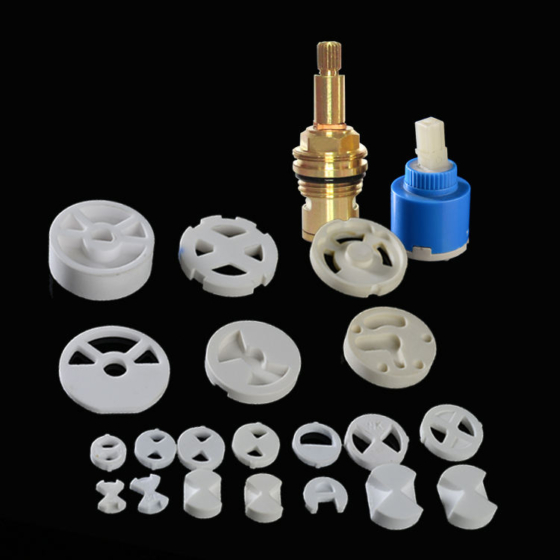

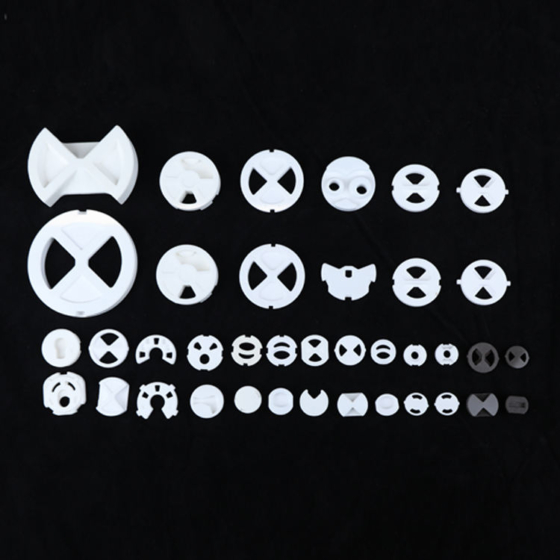
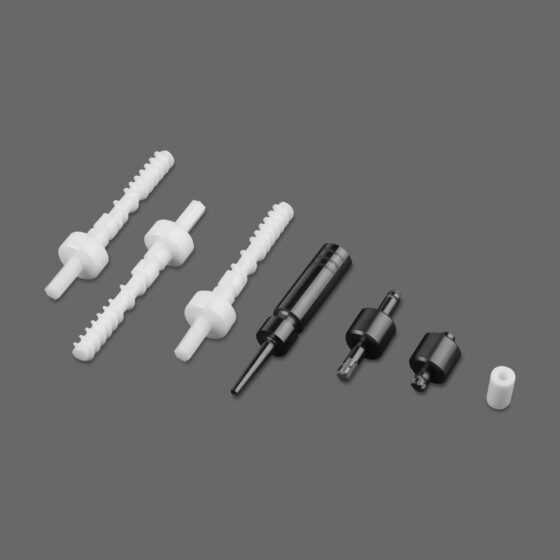
Composants céramiques de précision personnalisés: Convient pour l’automobile et l’électronique
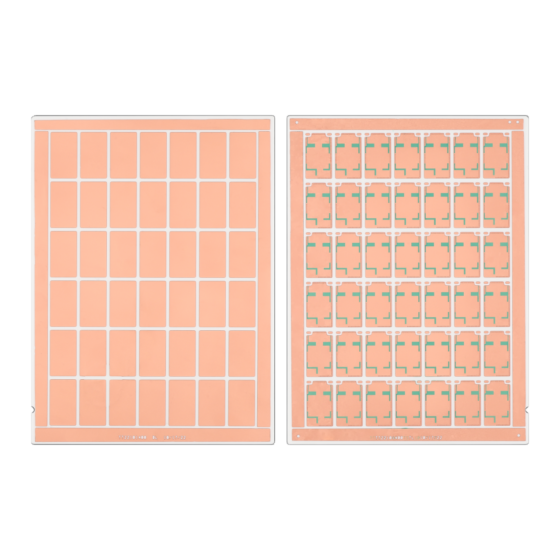
Advantages/characteristics of ceramic structural parts
1. High-precision and ultra-high-precision processing technology
2. Various ceramic material systems such as zirconium oxide, aluminum oxide, nitrure d’aluminium, silicon carbide, etc.
3. In-depth development of composite materials based on ceramics, metals, and plastic materials to meet higher demands
4. The industry’s first tape casting to prepare multi-layer composite parts
5. In-depth development of ceramic processing technology (intelligent grinding and polishing integration, ultrasonic processing technology)
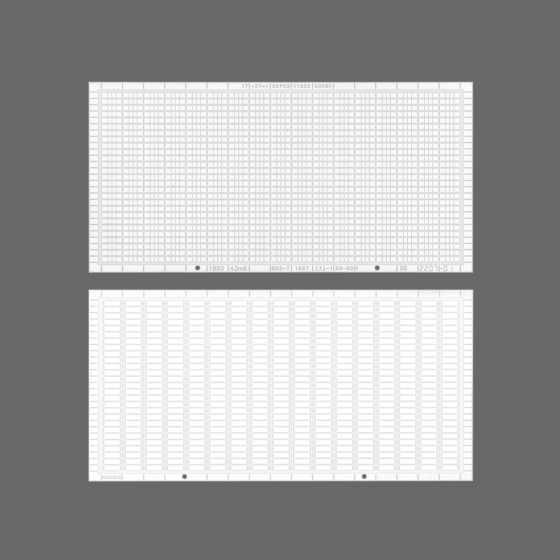
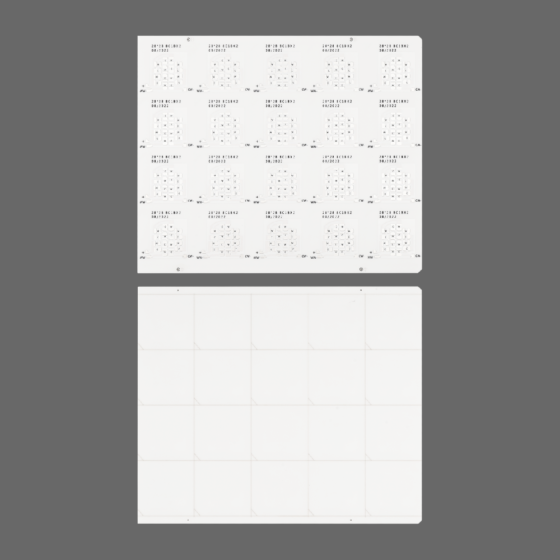
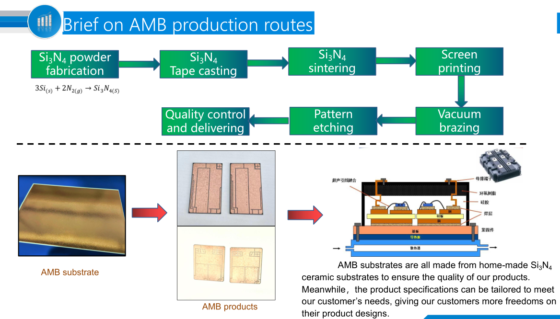
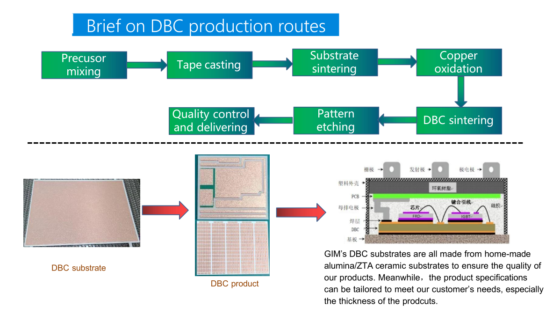
6. End-to-end full process capabilities: powder, dry pressing, tape casting, injection molding, sintering, processing, screen printing, metallization, etc.
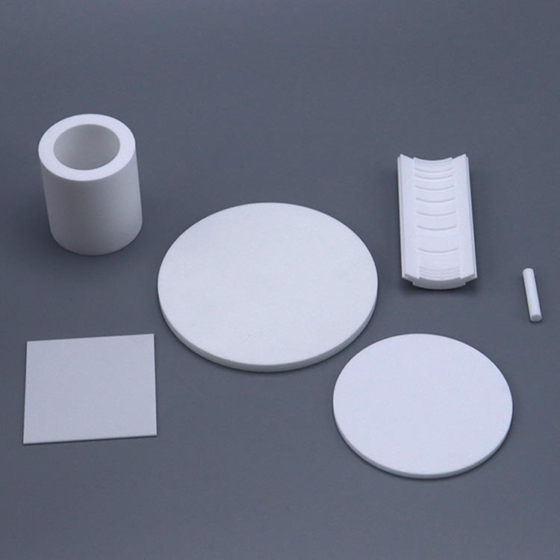
Alumina materials are mainly used in high-end medical equipment, precision machinery and other industries. Product features: haute résistance, high hardness, high temperature resistance and corrosion resistance.
✅Contact us:
website: www.nmmech.com
Messagerie électronique: jack@nmmech.com
More industry information:
🌐 1. Advanced Materials / Precision Ceramics
External Link: https://www.azom.com
Description :
Learn more about the latest trends in advanced ceramics and precision materials from AZoM, a global materials science hub that provides insights into material innovations, Applications, and manufacturing technologies.
🚀 2. Aerospace Industry
External Link: https://www.nasa.gov
Description:
The aerospace industry relies heavily on high-performance ceramics. Visit NASA to explore how ceramic materials are used in propulsion systems, thermal protection, and structural components in space exploration.
⚙️ 3. Electronics Industry
External Link: https://www.ieee.org
Description:
The electronics and semiconductor sectors depend on materials with high dielectric strength and insulation performance. IEEE is a trusted global organization that drives innovation in electrical and electronic engineering.
💡 4. Semiconductor Industry
External Link: https://www.semiconductors.org
Description:
Discover how advanced ceramics contribute to semiconductor manufacturing — from wafer handling to plasma etching — at the Semiconductor Industry Association (SIA).
🚗 5. Automotive Industry
External Link: https://www.sae.org
Description:
The automotive industry increasingly adopts advanced ceramic components for fuel systems, sensors, and EV batteries. Visit SAE International for standards and innovations driving automotive engineering forward.
🏥 6. Medical & Healthcare
External Link: https://www.fda.gov/medical-devices
Description:
Advanced ceramics play a vital role in medical implants and devices due to their bio-compatibility and wear resistance. The U.S. FDA Medical Devices Center provides regulatory and research information in this field.
⚡ 7. New Energy / Renewable Energy
External Link: https://www.energy.gov
Description:
In the renewable energy sector, ceramics are used for high-temperature fuel cells and power electronics. Visit the U.S. Department of Energy (DOE) for innovations and materials research in sustainable energy technologies.