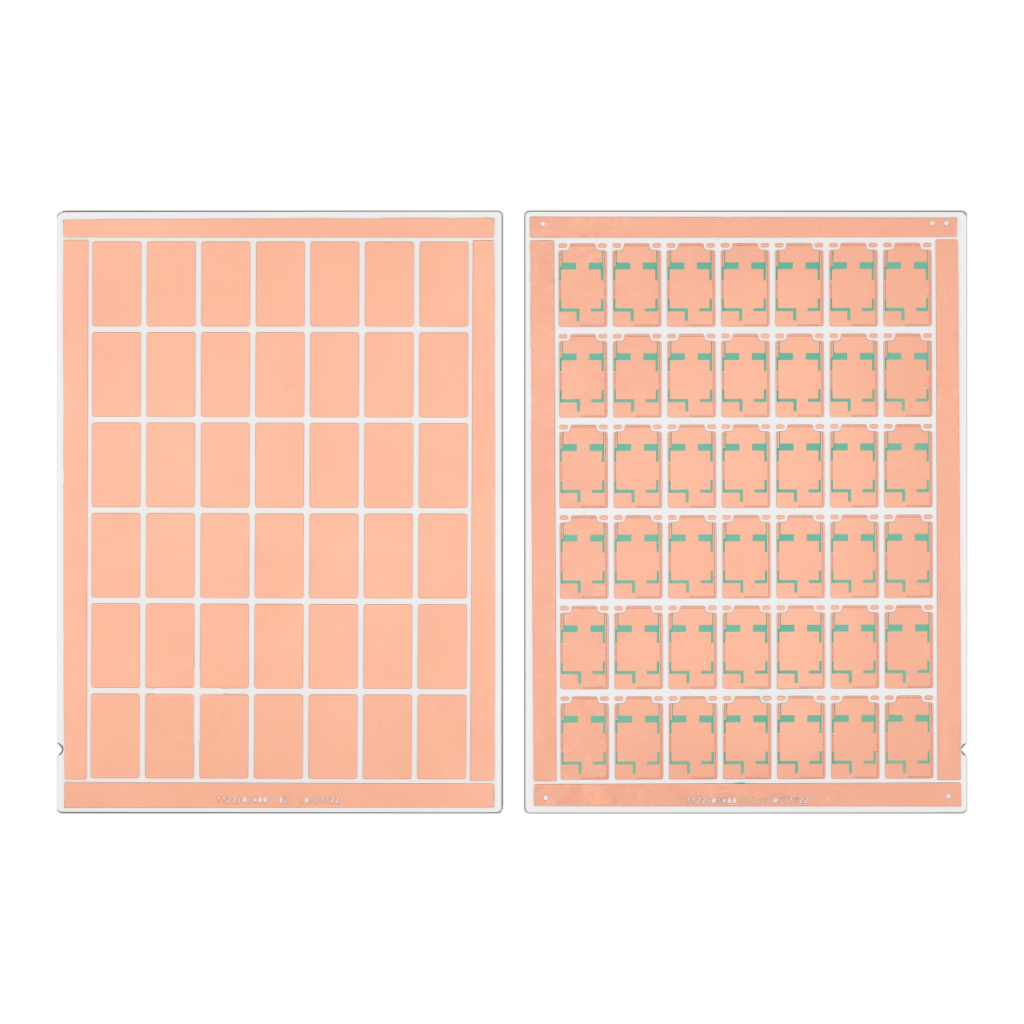
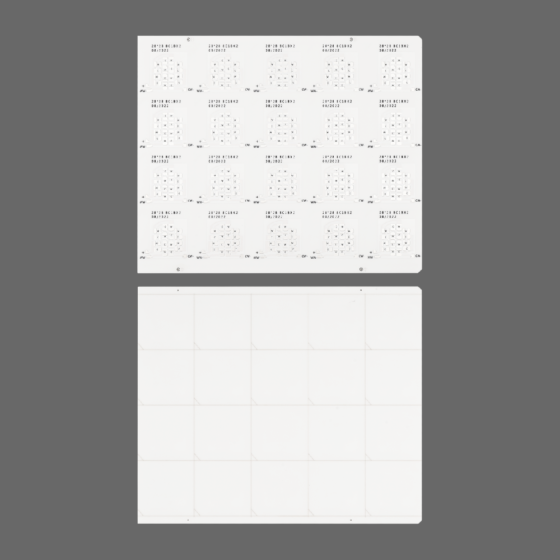
 Sustrato cerámico DBC
Cobre de unión directa
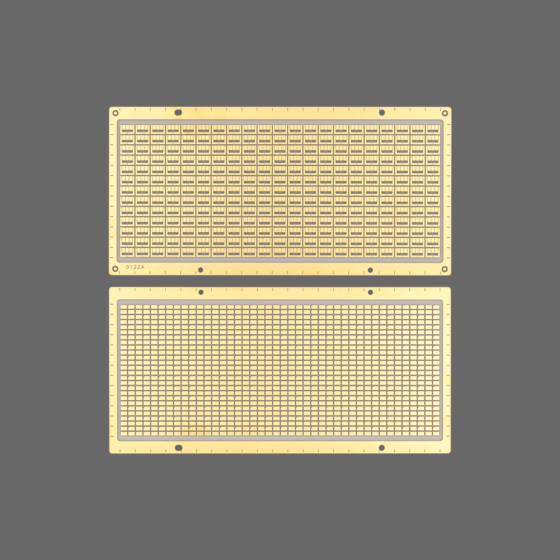
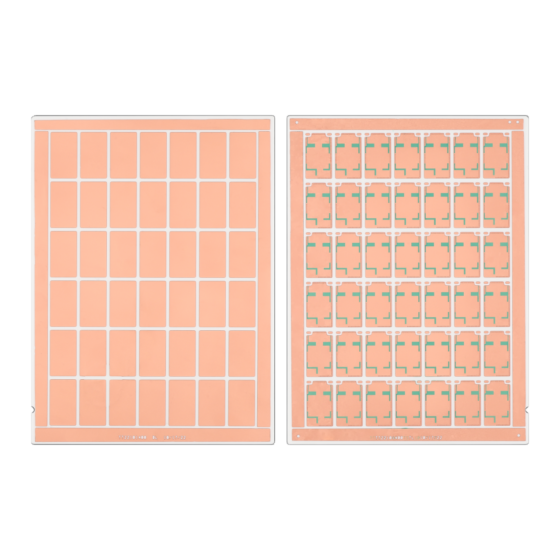
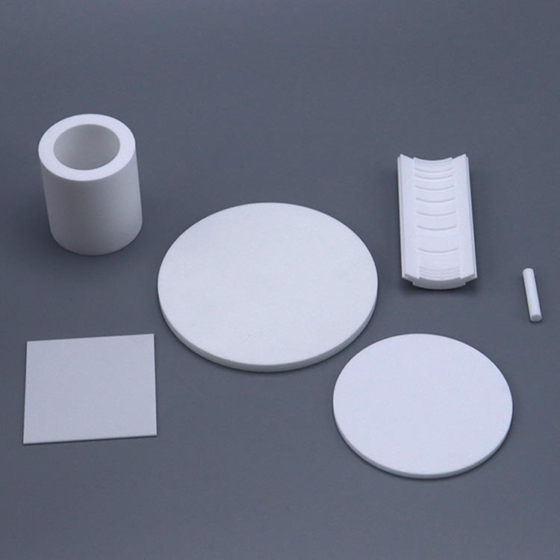
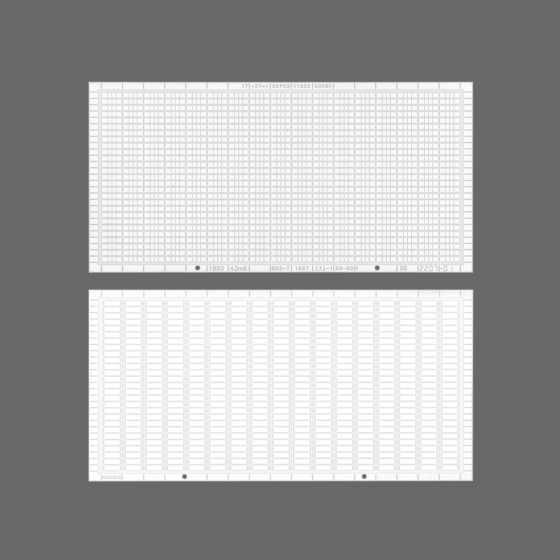
Material: Cerámica de alúmina/ZTA
Espesor: 0.32/0.635
Tolerancia gráfica: ±0.03
Tamaño del producto: 109.2*54.5milímetro
Fuerza de pelado:>5N/mm
Resistencia del aislamiento:>15K
Funciones: El cobre y la cerámica están unidos químicamente, y tienen las características de alta conductividad térmica, Alto aislamiento, Alta resistencia mecánica, y baja expansión de la cerámica de alúmina. También tiene la alta conductividad y el excelente rendimiento de soldadura del cobre libre de oxígeno, y puede grabar varios gráficos como placas de circuito PCB; Tiene una excelente conductividad, Fuerte capacidad de carga de corriente, y los sustratos cerámicos ZTA tienen una mayor resistencia a la flexión y buena tenacidad. En comparación con el sustrato de alúmina DBC, Puede soportar mejor los golpes fríos y calientes y tiene una mejor confiabilidad.
Ámbitos de aplicación: Se utiliza principalmente en componentes de refrigeración de semiconductores, Utilizado en la industria aeroespacial, Equipos de comunicación Refrigeración y disipación de calor, Tren de alta velocidad, Vehículos de nueva energía, Generación de energía fotovoltaica, y módulos IGBT de control industrial.
✅Contact us:
website: www.nmmech.com
Correo electrónico: jack@nmmech.com
More industry information:
🌐 1. Advanced Materials / Precision Ceramics
External Link: https://www.azom.com
Description :
Learn more about the latest trends in advanced ceramics and precision materials from AZoM, a global materials science hub that provides insights into material innovations, applications, and manufacturing technologies.
🚀 2. Aerospace Industry
External Link: https://www.nasa.gov
Description:
The aerospace industry relies heavily on high-performance ceramics. Visit NASA to explore how ceramic materials are used in propulsion systems, thermal protection, and structural components in space exploration.
⚙️ 3. Electronics Industry
External Link: https://www.ieee.org
Description:
The electronics and semiconductor sectors depend on materials with high dielectric strength and insulation performance. IEEE is a trusted global organization that drives innovation in electrical and electronic engineering.
💡 4. Semiconductor Industry
External Link: https://www.semiconductors.org
Description:
Discover how advanced ceramics contribute to semiconductor manufacturing — from wafer handling to plasma etching — at the Semiconductor Industry Association (SIA).
🚗 5. Automotive Industry
External Link: https://www.sae.org
Description:
The automotive industry increasingly adopts advanced ceramic components for fuel systems, sensors, and EV batteries. Visit SAE International for standards and innovations driving automotive engineering forward.
🏥 6. Medical & Healthcare
External Link: https://www.fda.gov/medical-devices
Description:
Advanced ceramics play a vital role in medical implants and devices due to their bio-compatibility and wear resistance. The U.S. FDA Medical Devices Center provides regulatory and research information in this field.
⚡ 7. New Energy / Renewable Energy
External Link: https://www.energy.gov
Description:
In the renewable energy sector, ceramics are used for high-temperature fuel cells and power electronics. Visit the U.S. Department of Energy (DOE) for innovations and materials research in sustainable energy technologies.

123